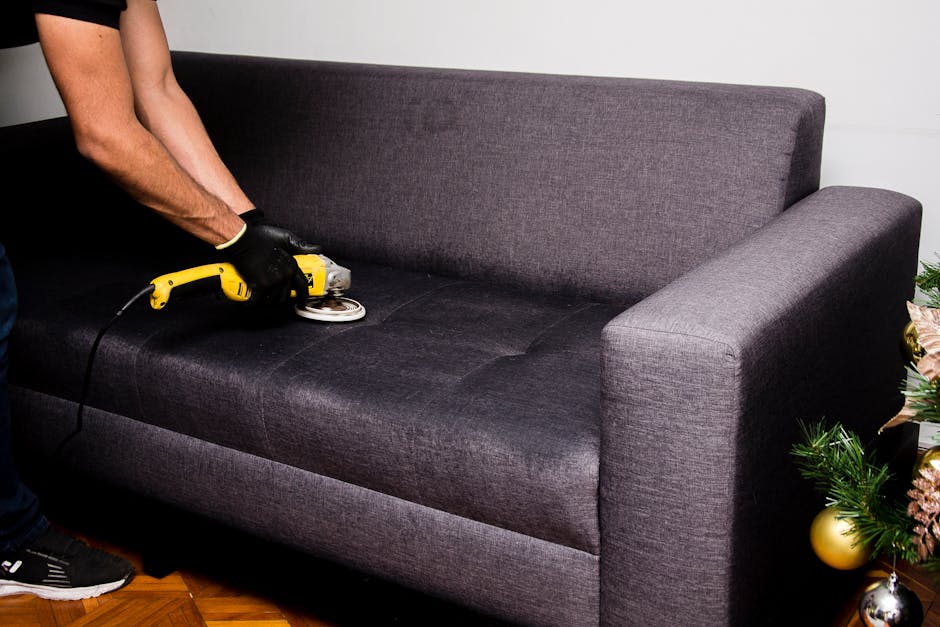
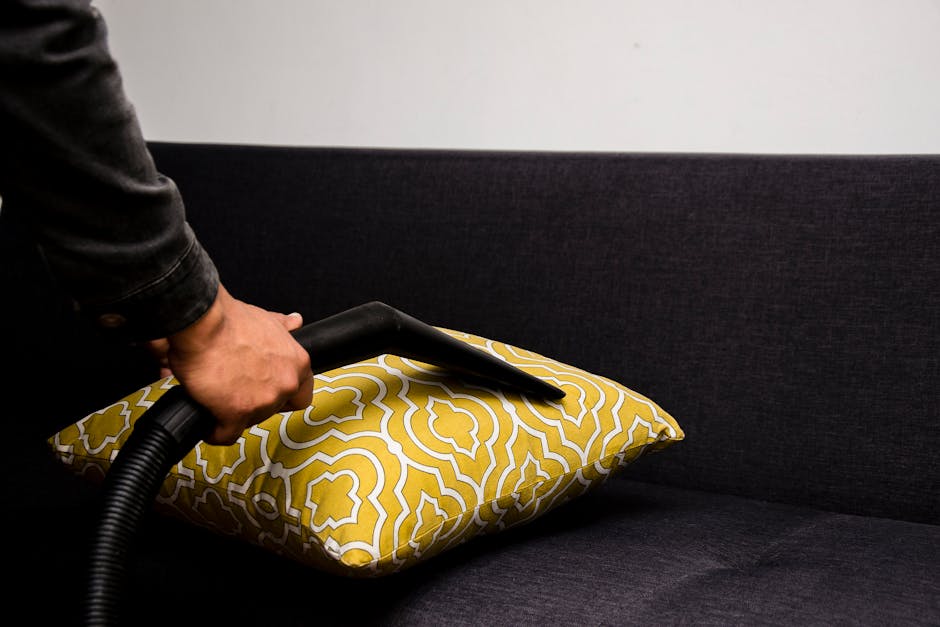
Dulwich Park upholstery cleaning and stain removal service: a practical guide to cleaner, fresher furniture
If your sofa has picked up a tea ring, the dining chairs look a bit tired, or that one cushion has a mystery mark you keep pretending not to see, you are in the right place. A Dulwich Park upholstery cleaning and stain removal service is about more than making fabric look nicer for a day. Done properly, it helps remove embedded dirt, treat stubborn stains, reduce odours, and extend the life of furniture that gets used every single day. Truth be told, upholstery is often cleaned too late. By the time people call in help, the stain has set and the fabric has absorbed weeks of dust, body oils, pet hair, and the odd snack spill. This guide explains what the service involves, how it works, what to expect, and how to make smarter choices before booking.
Table of Contents
- Why Dulwich Park upholstery cleaning and stain removal service Matters
- How Dulwich Park upholstery cleaning and stain removal service Works
- Key Benefits and Practical Advantages
- Who This Is For and When It Makes Sense
- Step-by-Step Guidance
- Expert Tips for Better Results
- Common Mistakes to Avoid
- Tools, Resources and Recommendations
- Law, Compliance, Standards, or Best Practice
- Options, Methods, or Comparison Table
- Case Study or Real-World Example
- Practical Checklist
- Conclusion
- Frequently Asked Questions
Why Dulwich Park upholstery cleaning and stain removal service Matters
Upholstery takes a beating in ways that are easy to miss. Unlike a hard floor, a fabric armchair or sofa quietly holds onto dust, skin oils, crumbs, pet dander, and the occasional spill. Over time, that build-up changes how the fabric looks and feels. Colours dull. Texture flattens. And stains that started small can become permanent-looking marks if they are left alone for too long.
In a busy home near Dulwich Park, that matters for a few reasons. First, appearance. A clean sofa makes a room feel brighter and more cared for, even if nothing else changes. Second, comfort. Fresh upholstery feels better to sit on, full stop. Third, longevity. Regular cleaning can help fabrics last longer by removing the gritty residue that causes wear. That is especially important for natural fibres, blended fabrics, and lightly coloured upholstery where every mark seems to shout at you.
There is also the question of hygiene. Upholstery is not just decorative. It is touched constantly, which means it can harbour allergens and odours in the fibres. A professional clean can help freshen things up without the guesswork of home remedies that sometimes make matters worse. To be fair, a lot of people try to sort a stain with a quick spray and a kitchen towel. Sometimes it works. Sometimes it just spreads the mark and creates a watermark on top. Not ideal.
If you are also thinking about other fabric surfaces in the home, it can make sense to look at related services such as sofa cleaning or broader upholstery cleaning when the whole room needs a reset rather than one isolated spot.
How Dulwich Park upholstery cleaning and stain removal service Works
A proper upholstery clean is not a one-size-fits-all job. Fabric type, stain type, colourfastness, age of the item, and previous cleaning history all matter. That is why a trained cleaner usually begins with inspection rather than immediately applying product. It sounds simple, but this step saves a lot of trouble.
The process usually follows a sensible order:
- Assessment - identify the fabric, check the stain, and test the safest method in an inconspicuous area.
- Dry soil removal - vacuuming or brushing removes loose dust and debris before moisture is introduced.
- Pre-treatment - a suitable solution is applied to target stains, marks, and heavily used areas.
- Agitation - gentle working of the fibre helps lift soil without damaging the weave.
- Extraction or controlled cleaning - depending on the fabric, moisture and residue are removed carefully.
- Drying and finishing - the item is left to dry properly, then brushed or groomed if needed.
Not every piece can tolerate the same treatment. Some fabrics respond well to low-moisture cleaning, while others may need a deeper extraction-based approach. Delicate items may need a more cautious stain treatment and less water. This is where experience matters. A cleaner who understands fabric behaviour is less likely to over-wet a cushion or leave an obvious edge around a treated patch.
For readers who want the wider context of what a full fabric-care visit can include, the service often sits alongside house cleaning or even deep cleaning when the aim is a broader refresh rather than a single spot treatment.
Key Benefits and Practical Advantages
The obvious benefit is that the furniture looks better. That alone can change how a room feels. But there is a bit more to it than appearances.
- Improved visual finish - stains, traffic marks, and grime are reduced, which helps restore a cleaner overall look.
- Better fabric feel - fibres often feel softer and less sticky after a proper clean.
- Odour reduction - lingering smells from pets, food, smoke, or damp can be less noticeable.
- Longer furniture life - removing abrasive dirt can reduce wear on upholstery fibres.
- More hygienic living space - a cleaner surface supports a fresher home environment.
- Better value from existing furniture - cleaning can delay replacement, which is especially useful for quality pieces.
There is also a practical side many people overlook: upholstery cleaning can help you notice hidden issues early. Loose seams, worn arms, fabric thinning, or damage under cushions often become obvious once the dirt layer is gone. That is useful information, even if it is not the sort of thing anyone gets excited about on a Saturday morning.
For landlords, hosts, or busy households, the service can be particularly handy as part of a wider maintenance routine. If a property turnover is involved, related services like move out cleaning or move in cleaning can help create a properly reset space.
Who This Is For and When It Makes Sense
This service is for anyone who wants upholstered furniture to look, smell, and feel cleaner without risking damage from DIY experimentation. In practical terms, that includes:
- Homeowners with sofas, armchairs, dining chairs, or footstools that are looking tired
- Renters who want to improve the condition of furnished rooms before moving on
- Families dealing with food spills, sticky hands, pets, or daily wear
- Hosts and landlords who need furniture refreshed between guests or tenancies
- People with allergies who prefer a cleaner fabric environment
- Anyone dealing with a stain that has not responded to home treatment
When does it make sense to book? Usually when the upholstery has visible marks, a dull finish, odours, or a general feeling of grime that vacuuming alone will not fix. It also makes sense after a big event, a renovation, or a season of heavy use. Let's face it, winter is very good at making soft furnishings feel a bit sad.
If you manage a business or shared space, the same principle applies. Upholstery in receptions, waiting areas, and offices picks up wear surprisingly fast. In those cases, the broader context of commercial cleaning or office cleaning may be worth considering as part of a maintenance plan.
Step-by-Step Guidance
If you are preparing for a visit or deciding what to ask a cleaner, a clear process helps. Here is the sensible way to approach it.
- Identify the item
Is it a sofa, loveseat, dining chair, ottoman, or occasional chair? Different shapes and fabrics need different handling.
- Note the fabric type if you can
Check the care label if the furniture has one. It may help indicate whether the fabric is suitable for water-based cleaning, solvent-based cleaning, or only specialist care.
- List the stains honestly
Tea, coffee, wine, grease, ink, pet accidents, makeup, and food all behave differently. A cleaner can work more effectively when they know what they are dealing with.
- Avoid random spot cleaning
Do not keep layering different sprays on top of one another. Mixed chemicals can leave residues or set a stain in place.
- Clear the area
Move small items, blankets, and cushions off the furniture. Give the cleaner space to work around the item properly.
- Allow drying time
Plan for ventilation and a dry period after cleaning. Sitting straight back onto damp upholstery is a bit of a nonsense, really.
- Follow aftercare guidance
If the cleaner advises no use of the item for a set time, follow that advice. It is there for a reason.
A useful rule of thumb: the earlier you treat a stain, the better the odds. A fresh mark can often be lifted more easily than one that has had a week to bond with the fibres and settle in like it owns the place.
Expert Tips for Better Results
Small decisions make a big difference with upholstery. Here are the habits that tend to produce better results.
- Blot, do not rub - rubbing can spread the stain and push it deeper into the fibre.
- Work from the outside in - this helps prevent a stain from spreading.
- Test first - even when a fabric looks sturdy, hidden colour loss or texture change can happen.
- Use less moisture on delicate fabrics - over-wetting can cause long drying times or water marks.
- Vacuum regularly - dry soil removal is one of the simplest ways to slow wear.
- Rotate cushions - not glamorous, but it helps distribute wear more evenly.
- Tackle odours early - waiting usually makes them harder to shift.
Another simple tip: keep a note of what caused the stain if you can. A cleaner does not need a full detective report, but knowing whether it is oil-based, tannin-based, or protein-based helps narrow the right treatment. And yes, this is one of those unglamorous little details that saves time later.
If you are already planning other fabric or soft-surface care, combining services can be sensible. For instance, a home with tired armchairs may also benefit from rug cleaning or mattress cleaning if the overall freshness of the room needs attention.
Common Mistakes to Avoid
Most upholstery damage does not happen during the stain itself. It happens during the well-intentioned cleanup afterwards. Classic, really.
- Using too much water - excess moisture can cause rings, slow drying, or deep saturation.
- Scrubbing hard - aggressive rubbing distorts fibres and can make a mark look worse.
- Using bleach or harsh cleaners - these can strip colour or weaken the fabric.
- Ignoring the care label - if a label exists, it is worth following.
- Letting spills sit - time gives stains the chance to set.
- Cleaning only the stain but not the surrounding area - this can leave a visible edge or patch.
- Skipping drying time - damp upholstery can smell stale or attract new dirt faster.
Another common mistake is assuming every cleaner will handle every fabric in the same way. That is not how it works. A reliable service will adapt the method to the item rather than forcing the item to adapt to the method. Big difference.
Tools, Resources and Recommendations
You do not need a cupboard full of specialist products to make good decisions here. In fact, too many products is often the problem. What helps most is a sensible toolkit and a bit of judgement.
Useful practical items at home:
- A vacuum cleaner with a suitable upholstery attachment
- Clean white cloths or absorbent towels
- A soft brush for light surface loosening
- Plain water for cautious blotting when appropriate
- The furniture care label, if available
What to ask a cleaning provider:
- How do they identify fabric type?
- What method do they use for stains?
- Do they carry out a test patch first?
- How long should drying take?
- What should be avoided after cleaning?
If you want to understand how a wider cleaning plan fits together, browsing related service pages such as regular cleaning or one off cleaning can help you decide whether you need a recurring visit or a focused refresh.
Law, Compliance, Standards, or Best Practice
Upholstery cleaning is not usually a heavily regulated service in the way construction or electrical work might be, but best practice still matters. In the UK, reputable cleaners are expected to operate carefully, communicate clearly, and use products in line with safety guidance. That includes appropriate handling of cleaning chemicals, sensible risk awareness, and care around electrical items, delicate fabrics, and drying conditions.
From a customer perspective, the most useful checks are straightforward:
- Insurance - if something goes wrong, you want to know the business is covered. The site's insurance and safety information is a sensible place to review this.
- Health and safety - cleaners should work in a way that protects both the property and the people in it. See the health and safety policy for the provider's approach.
- Clear terms - understand what is included, what is excluded, and how cancellations or changes are handled.
- Product awareness - cleaners should use products suited to the fabric and the stain, not just whatever is nearest to hand.
It is also wise to be cautious with heavily sentimental or antique pieces. If a chair has fragile fabric, fading, or old repairs, the safest choice may be a conservative clean rather than an aggressive stain chase. Better to preserve the item than to overdo it in the name of improvement.
For commercial or shared buildings, standards of tidiness and safe working tend to matter even more. Related pages like communal area cleaning can be useful where upholstery sits in higher-traffic spaces.
Options, Methods, or Comparison Table
Different stains and fabrics need different approaches. There is no magic universal spray, despite what the bottle might imply.
| Method | Best for | Advantages | Watch-outs |
|---|---|---|---|
| Low-moisture cleaning | Delicate fabrics, lighter refreshes | Faster drying, reduced saturation risk | May not remove deeply set contamination |
| Extraction-based cleaning | Heavier soiling, many synthetic fabrics | Good soil removal, strong overall reset | Can require longer drying |
| Targeted stain treatment | Single marks like tea, coffee, wine, food | Focused on problem areas, efficient | Needs correct stain identification |
| Manual hand cleaning | Sensitive areas, trims, detailed sections | Careful and controlled | Slower and less suited to large areas |
If you are deciding between methods, the real question is not "which one is strongest?" It is "which one is safest for this fabric and this stain?" That distinction saves furniture. A strong treatment on the wrong fibre can do more harm than the stain itself.
Case Study or Real-World Example
Here is a realistic example from the kind of job people often call about. A family had a pale fabric sofa in a busy living room. Between school runs, snacks, and a dog that clearly believed the sofa was partly his, the arms had gone greyish, one seat cushion had a tea mark, and there was a faint smell that became obvious whenever the windows were shut.
The first step was a proper inspection. The cleaner checked the fabric, treated the tea mark separately, and avoided soaking the cushion. The arms were pre-treated and cleaned more carefully because they carried the heaviest build-up. The sofa then dried in a ventilated room with the cushions spaced out a little to help airflow.
The result was not "brand new," because that would be unrealistic and, frankly, a bit suspicious. But the sofa looked lighter, the marks were far less visible, and the room felt fresher by the next day. The family's main comment was not even about the stain. It was that the whole room looked tidier. That happens a lot. Clean upholstery changes the mood of a space in a quiet way.
Sometimes people book the service alongside domestic cleaning when they want the furniture and the rest of the home to feel equally refreshed. That can be a neat, practical combination.
Practical Checklist
Use this checklist before and after a Dulwich Park upholstery cleaning and stain removal service.
- Identify the furniture item and fabric type if possible
- Check for a care label or existing manufacturer guidance
- Note all stains, marks, and odours honestly
- Remove loose items, throws, and small accessories
- Vacuum lightly if the cleaner has not already asked you not to
- Avoid using household sprays before the visit
- Make sure there is space for access and drying
- Ask about the expected drying time
- Follow aftercare advice carefully
- Keep pets and heavy use away until the item is fully dry
Quick expert summary: the best upholstery results usually come from early action, the right method, and a cautious approach to moisture. That combination beats heroic scrubbing every time.
Conclusion
A good Dulwich Park upholstery cleaning and stain removal service does more than remove a visible mark. It helps restore the look and feel of the room, supports the life of your furniture, and gives you a cleaner surface to live with every day. The best outcomes come from matching the method to the fabric, treating stains early, and avoiding the tempting but risky habit of DIY trial and error.
If your upholstery is looking tired, or there is a stain that keeps catching your eye every time you sit down, it is probably time to do something about it rather than keep hoping it disappears on its own. Usually it does not. A careful, well-informed clean is a simple, satisfying fix, and sometimes that is all a room needs to feel right again.
Get a free quote today and see how much you can save.
And if you are weighing up next steps, start with the piece that bothers you most. One chair, one sofa arm, one stubborn mark. Small wins count, and they have a funny way of making the whole place feel lighter.
Frequently Asked Questions
What does a Dulwich Park upholstery cleaning and stain removal service usually include?
It usually includes inspection, fabric-safe pre-treatment, stain removal, cleaning of the upholstered surface, and controlled drying guidance. Some items may need a gentler method than others.
Can all upholstery stains be removed?
No, not always. Some stains become permanent if they have oxidised, set deeply, or damaged the dye. A good cleaner can often improve them significantly, but complete removal is not guaranteed.
How long does upholstery take to dry?
Drying time depends on the fabric, the method used, room ventilation, and how heavily the item was cleaned. Low-moisture work can dry sooner, while deeper cleaning may take longer.
Is it safe to clean delicate fabric furniture at home?
Sometimes, but caution is essential. Delicate fabrics can be damaged by excess water, harsh products, or scrubbing. If the item is valuable or the stain is serious, professional help is safer.
What stains are hardest to deal with?
Ink, dye transfer, old food stains, red wine, grease, and pet-related marks can be particularly challenging. The exact difficulty depends on the fabric and how long the stain has been there.
Will upholstery cleaning remove pet smells?
It can reduce odours, especially if the smell is trapped in surface dirt or light contamination. Strong or long-standing pet odours may need more targeted treatment.
How often should upholstered furniture be cleaned?
That depends on use. Busy family furniture may need attention more often than a spare-room chair. Many people clean upholstery when it looks dull, smells stale, or shows visible marks.
Should I vacuum upholstery before the cleaner arrives?
Only if it is easy and does not disturb stains. In many cases, a basic vacuum helps remove loose debris, but always follow the provider's advice if they ask you to leave it as it is.
Can cleaning make a stain worse?
Yes, if the wrong product or too much moisture is used. That is why testing and fabric knowledge matter. The wrong method can spread a stain or leave a watermark.
Is upholstery cleaning worth it for older furniture?
Often, yes. Older furniture can benefit a lot from cleaning if the fabric is still structurally sound. It may not look brand new, but it can look fresher and more presentable.
What should I ask before booking a cleaner?
Ask about fabric testing, stain approach, drying time, insurance, and aftercare. Those answers tell you far more than a vague promise to make it "spotless."
Can upholstery cleaning fit alongside other home cleaning services?
Absolutely. It is often combined with broader home care such as one off cleaning, window cleaning, or other property refresh work depending on what needs attention.