Insurance & Safety: Comprehensive Public Liability and Workplace Protection
 Insurance and safety are central to how we operate. This page outlines our approach to public liability insurance, staff training, personal protective equipment (PPE), and the risk assessment process. We describe how a robust insurance & safety framework protects people, assets and reputation while enabling consistent, compliant delivery of services. Our safety policy places equal weight on prevention and insurance, so that the business remains resilient and employees feel secure.
Public Liability Insurance: What We Carry
We maintain comprehensive public liability insurance to provide financial protection for third-party injury or property damage that can arise from day-to-day operations. This cover is a fundamental part of our overall safety program and is designed to respond quickly when legitimate claims are made. The public liability cover complements our focus on prevention — insurance is not a substitute for safe practice, but a safety net should incidents occur.
 Our public liability cover includes clear limits, defined exclusions, and a claim management process that prioritizes prompt investigation, fair settlement and learning from incidents. We regularly review policy limits to ensure they match the scale of activities undertaken and the exposure to public risk. In addition to standard public liability, we assess when additional extensions — such as product liability or professional indemnity — are appropriate, and we coordinate with insurers to maintain continuous, adequate protection.
Staff Training and Competency
Staff training is the first line of defense in our safety program. We follow a structured training pathway that combines induction, job-specific instruction and ongoing refresher courses. Training ensures that employees understand hazards, know safe work methods and can use protective equipment correctly. Emphasis on practical competency complements theoretical knowledge and builds a proactive safety culture.
 Training activities include classroom sessions, on-the-job coaching and scenario-based exercises. We track training completion and competence through a centralized record system so managers can verify that teams have the necessary qualifications. Key training elements include:
- Induction training for new hires covering basic safety rules and emergency procedures
- Role-specific training aligned to tasks and equipment they will use
- Refresher sessions and periodic assessments to maintain skills
- Incident response drills so staff know how to react under pressure
PPE: Selection, Use and Maintenance
PPE forms an essential component of our hazard control hierarchy and is deployed when risks cannot be fully eliminated by other means. Our PPE program ensures the right equipment is selected, correctly fitted and consistently used. We maintain stock levels to support safe operations and require supervisors to verify PPE compliance during routine checks.
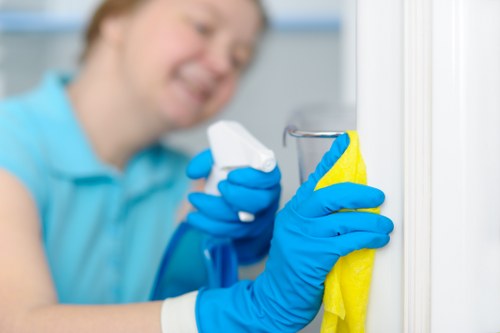 The PPE policy covers selection criteria, which are based on hazard assessment, ergonomic fit and compatibility with other equipment. Examples include eye protection, respiratory protection, hi-visibility clothing and hearing protection where appropriate. We insist on documented procedures for cleaning, inspection and replacement so PPE remains effective and reliable.
In addition to provision and maintenance, we communicate expectations clearly: employees must wear specified PPE at all times in designated areas. Non-compliance triggers corrective action combined with additional coaching to address underlying causes rather than punitive measures alone.
Risk Assessment Process: Identify, Evaluate, Control
 Our risk assessment process is systematic, verifiable and iterative. It begins with hazard identification and proceeds through risk evaluation, control selection and monitoring. We apply the hierarchy of controls — elimination, substitution, engineering controls, administrative controls and, finally, PPE — to ensure we reduce risk to as low as reasonably practicable.
Risk assessments are generated for routine activities, special projects and new processes. Each assessment documents the hazard, potential consequences, likelihood, existing controls and additional actions required. Assessments are reviewed whenever there is a change in process, incident or new information about hazards. Strong recordkeeping ensures traceability and supports continuous improvement.
Key steps in our risk assessment process include:
- Systematic hazard identification using site walks, job safety analyses and input from employees
- Risk evaluation using defined severity and likelihood criteria
- Selection and implementation of controls with assigned owners and target dates
- Follow-up verification and documentation of effectiveness
Our approach integrates insurance considerations with preventative action: clear records and timely mitigation lower the likelihood of costly claims and strengthen our position when engaging insurers. By combining robust safety and insurance practices we reduce risk, protect people and sustain uninterrupted operations.
Governance and continuous improvement are embedded in the program. Senior management sponsors regular audits, near-miss reviews and incident investigations to harvest lessons and update policies. We measure performance through leading indicators (training completion, audits, inspections) and lagging indicators (incident rates, claim costs) and adjust resources accordingly. Our commitment to safety and to adequate insurance coverage forms a single strategy: prevent where possible; insure responsibly; learn always.