Deep Cleaning in the Home: What It Involves, Why It Matters, and How to Do It Right
Deep cleaning in the home is more than a quick tidy-up or a weekly surface wipe. It is the process of thoroughly cleaning areas that often get overlooked during routine chores, removing built-up dust, grime, grease, soap scum, and hidden allergens. For many households, deep cleaning is the difference between a space that simply looks clean and a space that truly feels fresh, healthy, and renewed. Whether you are preparing for a special event, moving in or out, refreshing your living space, or maintaining a healthier environment, deep cleaning services and DIY deep cleaning routines can make a noticeable difference.
Unlike light cleaning, which focuses on visible messes, deep cleaning reaches into corners, crevices, appliances, fixtures, and high-touch surfaces. It helps improve indoor air quality, reduce buildup, and extend the life of furnishings and finishes. In modern homes, where people spend so much time indoors, deep cleaning has become a practical way to support comfort, hygiene, and peace of mind. Deep cleaning in the home is not just a luxury; it is an essential part of maintaining a better living environment.
When done correctly, deep cleaning can also save time in the long run. Once a property has been properly detailed, routine cleaning becomes easier and faster because dirt has not had a chance to accumulate. That is why many homeowners, renters, landlords, and property managers treat deep cleaning as a smart investment rather than a one-time chore. In this article, we will explore what deep cleaning includes, where it matters most, how often to do it, and how to make the process efficient and effective.
What Is Deep Cleaning in the Home?
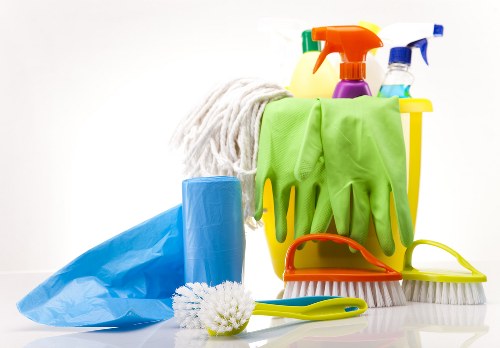
Deep cleaning in the home refers to a detailed, top-to-bottom cleaning process that targets hidden dirt, stubborn buildup, and neglected areas. It goes beyond vacuuming floors or wiping countertops. Instead, it focuses on the spaces and surfaces that usually require extra time, special products, or repeated effort. This can include baseboards, ceiling fans, vents, behind appliances, grout lines, cabinet interiors, and bathroom fixtures.
A standard cleaning routine might keep a home presentable, but deep cleaning addresses the layers of residue that build up over weeks or months. Think of it as a reset for your living space. It restores freshness, improves sanitation, and can make rooms feel brighter and more inviting. In many cases, a proper deep cleaning also helps reveal maintenance issues such as leaks, mold spots, worn caulking, or damaged surfaces before they become expensive problems.
Deep cleaning services are often requested for seasonal upkeep, move-in or move-out situations, post-renovation messes, and homes that need a more thorough refresh. Even when handled by professionals, the objective remains the same: clean every area thoroughly, not just the ones that are easiest to reach. That level of detail is what makes deep cleaning so valuable.
Why Deep Cleaning Matters More Than You Think
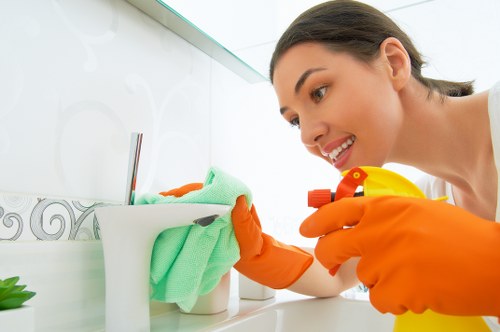
Many homeowners underestimate the impact of deep cleaning because the results are not always visible immediately. However, the benefits are both practical and long-lasting. A thorough deep cleaning removes dust, pet dander, pollen, and other debris that can settle into fabrics, vents, and corners. For households with children, pets, or allergy sufferers, this can make a meaningful difference in comfort and air quality.
Another major reason deep cleaning matters is hygiene. Kitchens and bathrooms, in particular, can harbor bacteria, grease, soap film, and moisture-related buildup. Regular wiping may reduce surface mess, but only deep cleaning tackles the layers where germs and grime often linger. By paying attention to sinks, drains, appliances, and tile, you reduce the conditions that allow odors and buildup to spread.
There is also a mental benefit. A clean, organized home can support calm and focus, while clutter and hidden dirt often contribute to stress. Deep cleaning in the home can create a stronger sense of order and control. Many people find that once the job is done, the entire space feels lighter, calmer, and easier to maintain. That emotional payoff is one of the most underrated reasons to prioritize deep cleaning.
How Deep Cleaning Differs From Regular Cleaning
Regular cleaning is the maintenance work you do weekly or even daily to keep your home livable. Deep cleaning is the detailed work that addresses buildup in places regular cleaning does not reach. Both are important, but they serve different purposes. A standard cleaning might include sweeping, dusting, wiping counters, and sanitizing the bathroom sink. A deep cleaning goes further by scrubbing tile grout, cleaning behind furniture, washing baseboards, and degreasing kitchen appliances.
To make the difference clearer, here are some examples:
- Regular cleaning: vacuum carpets, clean visible surfaces, take out trash, wipe bathroom counters.
- Deep cleaning: move furniture to clean beneath it, wash inside cabinets, clean air vents, scrub shower buildup, and detail door frames.
- Regular cleaning: maintain general appearance.
- Deep cleaning: restore and sanitize hard-to-reach and neglected areas.
Deep cleaning in the home is not meant to replace regular cleaning. Instead, it complements it. When both are done consistently, your home stays cleaner, healthier, and easier to manage over time. This is why homeowners often schedule deep cleaning every few months or at key seasonal transitions.
Key Areas to Focus on During Deep Cleaning
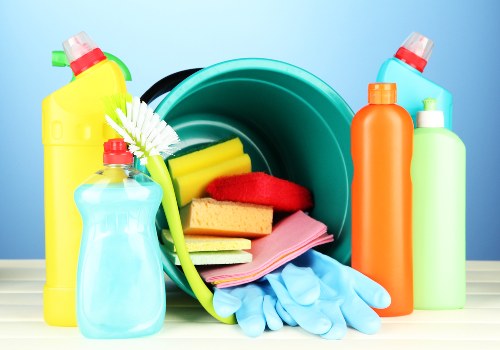
When performing a deep cleaning, certain areas deserve special attention because they collect the most dirt and grime. Kitchens and bathrooms are the obvious starting points, but the rest of the house also benefits from a careful approach. A smart deep cleaning plan covers both visible spaces and hidden trouble spots.
Kitchen
The kitchen is one of the most important rooms to deep clean because it handles food preparation, spills, grease, and frequent touchpoints. Focus on appliance exteriors and interiors, cabinet fronts, backsplash tiles, sink fixtures, and floors. Ovens, microwaves, refrigerators, and range hoods often require extra attention because grease and residue build up over time. Deep cleaning in the kitchen can also include removing items from cabinets and wiping the shelves inside.
Bathroom
Bathrooms accumulate soap scum, hard water stains, mineral deposits, and moisture-related residue. A proper deep cleaning should include scrubbing tile grout, polishing faucets, disinfecting toilets, cleaning behind the toilet, removing mildew, and washing mirrors and shower doors. Pay close attention to drains, baseboards, and ventilation fans to reduce odors and moisture buildup.
Living Areas and Bedrooms
In living areas and bedrooms, dust often settles in places that are easy to overlook. Ceiling fans, light fixtures, window sills, under beds, behind dressers, and along baseboards should all be included. Upholstered furniture, curtains, and rugs may need vacuuming or steam cleaning depending on the material. Deep cleaning services often focus on these details to refresh the room and reduce allergens.
Step-by-Step Approach to Deep Cleaning in the Home
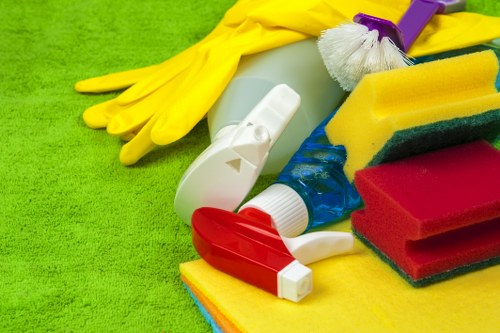
One of the best ways to handle deep cleaning is to follow a structured approach. Without a plan, the task can feel overwhelming. With a system, you can move through the home efficiently and avoid missing important details. The process typically starts high and ends low, dry before wet, and clean before disinfecting.
- Declutter first: remove items from surfaces, floors, and shelves so you can access all areas.
- Dust from top to bottom: start with ceiling fans, shelves, and vents, then work downward.
- Clean hidden and forgotten spaces: behind appliances, under furniture, inside cabinets, and around trim.
- Scrub bathrooms and kitchens: use the right cleaner for tile, grout, grease, and soap buildup.
- Vacuum and mop thoroughly: finish floors after dust and debris have been removed.
- Disinfect high-touch surfaces: door handles, switches, remotes, faucets, and appliance handles.
For best results, use strong but safe cleaning products suited to each surface. Always check labels and test products on small areas when needed. A well-planned deep cleaning saves energy and improves results because you avoid repeating tasks or spreading dust back onto already-cleaned surfaces.
It also helps to clean room by room instead of jumping randomly from space to space. This keeps the project manageable and ensures that deep cleaning in the home feels organized rather than chaotic. Many people also benefit from dividing the work into separate sessions, especially for larger houses or after long periods without detailed cleaning.
Tools and Supplies That Make Deep Cleaning Easier
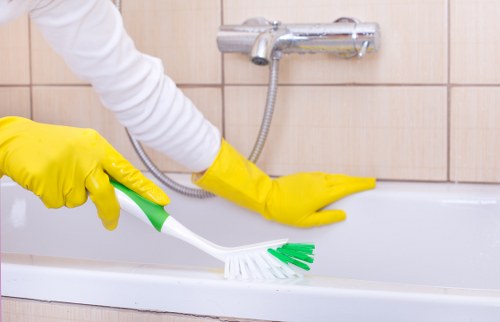
The right tools can make a huge difference in how efficient and effective your deep cleaning routine becomes. You do not need a massive collection of equipment, but a few essential items can help you get better results with less effort. Choosing quality supplies also reduces frustration and improves consistency.
Helpful deep cleaning supplies
- Microfiber cloths for dusting and wiping without streaks
- A vacuum with attachments for corners, upholstery, and vents
- A mop and bucket for hard floors
- Scrub brushes for grout, tubs, sinks, and stubborn buildup
- All-purpose cleaner for general surfaces
- Bathroom cleaner for soap scum and mineral deposits
- Degreaser for kitchen surfaces
- Glass cleaner for mirrors and windows
- Disinfectant for high-touch and sanitary areas
- Gloves to protect hands during more intensive tasks
Pro tip:
Keep your supplies organized in a caddy or basket so you can move quickly from room to room. This small step can make deep cleaning in the home feel far less tiring. If you use professional deep cleaning services, many teams arrive with specialized products and tools designed for stubborn stains, heavy buildup, and delicate surfaces.How Often Should You Deep Clean?
The ideal deep cleaning schedule depends on lifestyle, household size, pets, allergies, and how much daily use different rooms receive. There is no single rule that fits every home, but a structured rhythm helps prevent heavy buildup. For many households, deep cleaning every season works well. That means four major deep cleaning sessions per year, with light upkeep in between.
Some spaces need more frequent attention. Kitchens and bathrooms may benefit from monthly detailing, especially in busy homes. High-traffic entryways, pet areas, and children’s play spaces may also require regular deep cleaning to stay sanitary and fresh. If someone in the home has allergies or respiratory sensitivities, more frequent dust and allergen removal can be especially useful.
Deep cleaning in the home is also important before and after major life events. Moving, renovations, hosting guests, or changing seasons are all natural times to schedule a more thorough cleaning. The key is to prevent buildup from becoming overwhelming. Consistent maintenance means each deep cleaning takes less time and delivers better results.
Benefits of Hiring Deep Cleaning Services
While many homeowners prefer to handle some cleaning themselves, professional deep cleaning services offer clear advantages. A trained team can often work faster, reach overlooked areas, and use methods that produce a higher level of detail. This is especially valuable for larger homes, busy families, landlords preparing a property, or anyone with limited time and energy.
Professional help can also be especially helpful when a property needs a serious reset. Post-event cleanup, move-out cleaning, post-construction dust removal, and seasonal refreshes are all situations where outside support can save time and stress. Professionals usually bring the right supplies and know how to treat different materials safely, which reduces the risk of damage.
Another important advantage is consistency. When a home requires a dependable standard of care, professional deep cleaning can deliver repeatable results. Many people choose to combine their own regular tidying with occasional expert assistance for a balanced approach. If you want your home to look and feel its best, book your service now and enjoy the benefits of a cleaner, healthier space.
Common Mistakes to Avoid During Deep Cleaning
Even with good intentions, deep cleaning can fall short if certain mistakes are made. One of the most common issues is rushing through the process. Deep cleaning requires time, patience, and attention to detail. Skipping steps or using the wrong products may leave buildup behind or create new problems.
Another frequent mistake is cleaning in the wrong order. If you vacuum before dusting high surfaces, debris may fall onto the floor and force you to repeat work. Likewise, using too much product can leave sticky residue, while using too little may not remove grime effectively. It is also important not to forget hidden spaces such as behind toilets, under appliances, and along trim edges.
Here are a few practical tips to avoid these issues:
- Work from top to bottom.
- Choose the right product for each surface.
- Allow cleaners enough dwell time to work.
- Use clean cloths and replace dirty ones as needed.
- Do not ignore corners, edges, and vertical surfaces.
A thoughtful approach makes deep cleaning in the home more effective and far less frustrating. If the task feels too large, breaking it into smaller sections is often the best solution.
Making Deep Cleaning Part of a Sustainable Home Routine
The easiest way to keep a home looking great is to make deep cleaning part of a larger maintenance routine. Instead of waiting until dirt becomes obvious, build habits that reduce accumulation over time. Small, regular tasks such as wiping spills immediately, vacuuming high-traffic areas, and dusting weekly can dramatically reduce the amount of work needed during a deep cleaning session.
It also helps to create a rotating schedule. For example, one month you might focus on windows and blinds, the next on kitchen appliances, and the next on bathroom grout and tile. This spreads out the workload and keeps deep cleaning manageable. Many households find that combining routine chores with occasional professional deep cleaning services creates the best balance of convenience and cleanliness.
Ultimately, the goal is not perfection. The goal is a home that is healthier, more comfortable, and easier to enjoy. Deep cleaning supports that goal by removing what routine cleaning leaves behind. If you have been meaning to refresh your space, now is the perfect time to take action. Contact us today to get started on a cleaner, fresher home environment.
Final Thoughts on Deep Cleaning in the Home
Deep cleaning in the home is one of the most effective ways to restore freshness, improve hygiene, and protect the spaces you use every day. It reaches the hidden areas that regular cleaning often misses and helps create a healthier, more pleasant environment. From kitchens and bathrooms to bedrooms and living spaces, every room benefits from a careful, detailed approach.
Whether you choose to tackle the work yourself or hire professional deep cleaning services, the impact is worth the effort. A properly cleaned home looks brighter, smells better, and feels more comfortable to live in. Over time, consistent deep cleaning also helps reduce allergens, prevent buildup, and make everyday maintenance easier.
If your home is overdue for a thorough refresh, do not wait for the mess to become overwhelming. Start with a plan, gather the right supplies, and focus on one area at a time. When you are ready for expert support, book your service now and experience the difference that true deep cleaning can make.