Regular Cleaning: The Smart Way to Maintain a Healthier, Better-Looking Space
Regular cleaning is more than a household chore or a business routine. It is a practical habit that supports comfort, hygiene, productivity, and long-term upkeep. Whether you manage a home, office, retail space, or rental property, regular cleaning helps prevent dirt buildup, reduces unwanted odors, and keeps every area looking fresh and welcoming. In today’s fast-paced world, many people search for reliable ways to keep spaces cleaner for longer, and that is exactly where consistent cleaning routines make a real difference.
When people hear the phrase regular cleaning, they often think of sweeping floors or wiping counters. In reality, it includes a much broader range of tasks such as dust removal, sanitizing high-touch areas, organizing clutter, and maintaining surfaces before grime becomes difficult to remove. This approach saves time, protects surfaces, and creates healthier surroundings for family members, employees, guests, or customers.
In this article, we will explore why regular cleaning matters, what it includes, how to build an effective routine, and how professional services can support ongoing cleanliness. If you want a cleaner environment that looks better and feels better every day, understanding the value of regular cleaning is the perfect place to start.
Why Regular Cleaning Matters in Everyday Life
One of the biggest benefits of regular cleaning is prevention. Dirt, dust, grease, and germs do not appear overnight in large amounts; they build up gradually. By cleaning consistently, you stop minor messes from turning into bigger, more expensive problems. This is especially important for surfaces, flooring, appliances, and furniture that can wear down faster when neglected.
Another major benefit is health. Regular cleaning helps reduce allergens like dust, pet dander, and pollen. It also lowers the presence of bacteria and viruses on frequently touched surfaces such as doorknobs, light switches, countertops, and bathroom fixtures. For homes with children, older adults, or anyone with sensitivities, regular cleaning can make a noticeable difference in comfort and wellbeing.
There is also a strong psychological effect. A tidy space often feels calmer, more organized, and more manageable. Many people find that regular cleaning improves focus and reduces stress because they are not surrounded by clutter or lingering messes. In workplaces, this can support better productivity and a more professional atmosphere.
What Regular Cleaning Typically Includes

Regular cleaning can be customized based on the space, but it usually includes a repeating set of tasks that maintain cleanliness and order. These tasks are often performed weekly, biweekly, or even daily depending on the level of use. The goal is not just to make a place look clean, but to preserve hygiene and keep maintenance manageable.
Common tasks in regular cleaning include:
- Dusting shelves, furniture, baseboards, and décor
- Vacuuming carpets and rugs
- Sweeping and mopping hard floors
- Wiping countertops, desks, and tables
- Cleaning bathrooms and kitchen surfaces
- Emptying trash bins and replacing liners
- Sanitizing high-touch areas
- Removing visible clutter and tidying common areas
Depending on the space, regular cleaning may also include changing linens, cleaning mirrors, disinfecting sinks, and spot-cleaning walls or upholstery. The important thing is consistency. When these tasks are done on a regular schedule, the space stays easier to manage and requires fewer deep-clean interventions later.
How Regular Cleaning Supports Better Hygiene
Hygiene is one of the strongest reasons to maintain regular cleaning. A clean-looking room is not always a hygienic one, but regular cleaning helps close that gap. When surfaces are cleaned often, contaminants have less opportunity to spread. That matters in homes, schools, offices, clinics, and any shared environment where many people touch the same objects.
High-touch points deserve special attention because they are common transfer spots for germs. These include handles, railings, keyboards, faucets, remotes, shared equipment, and cabinet pulls. Regular cleaning of these surfaces helps create a more sanitary environment without waiting for visible dirt to appear.
Bathrooms and kitchens are especially important. These areas naturally involve moisture, food residue, and waste, all of which can create conditions where bacteria and odors develop more quickly. Frequent attention to sinks, counters, toilets, stovetops, and appliances helps reduce buildup and supports a healthier space overall.
The role of disinfecting and sanitizing
While cleaning removes dirt and debris, disinfecting and sanitizing can help reduce microbes on surfaces. A smart routine often combines all three methods depending on the area being cleaned. For example, wiping away crumbs from a counter is cleaning, while using a suitable product on that counter afterward may provide an extra layer of protection.
Regular Cleaning for Homes: A Practical Lifestyle Habit
In a home setting, regular cleaning is one of the most effective ways to maintain a comfortable and inviting environment. Homes naturally collect dust, laundry, food spills, fingerprints, pet hair, and everyday clutter. A consistent cleaning routine prevents small messes from affecting how the entire home feels.
Many homeowners benefit from dividing responsibilities into daily, weekly, and monthly tasks. Daily habits might include wiping kitchen surfaces, putting items back in place, and sweeping high-traffic areas. Weekly tasks often include vacuuming, bathroom cleaning, bed linen changes, and dusting. Monthly attention may focus on baseboards, vents, appliances, and storage areas.
Regular cleaning also helps protect furniture, flooring, and fixtures. Dust can scratch surfaces over time, moisture can damage grout and wood, and grease can stain kitchen materials if left too long. By cleaning consistently, you extend the lifespan of the things in your home while keeping them attractive.
Helpful home cleaning priorities
- Focus on kitchens and bathrooms first
- Clean up spills immediately
- Keep entryways free of dirt and debris
- Vacuum and dust regularly to reduce allergens
- Declutter surfaces so cleaning is easier
Regular Cleaning in Offices and Commercial Spaces
Commercial spaces depend heavily on appearance and hygiene. Visitors, employees, and clients all notice when a space is clean, and they also notice when it is not. Regular cleaning in offices, shops, and other business environments supports professionalism and creates a better first impression.
In offices, dusted desks, clean restrooms, sanitized common areas, and tidy reception spaces contribute to a more productive atmosphere. In retail settings, regular cleaning keeps displays, floors, and checkout areas looking polished and inviting. In shared workspaces, consistent cleaning helps reduce the spread of germs and keeps employees more comfortable throughout the day.
For businesses, regular cleaning is also a maintenance strategy. Carpets, windows, floors, and fixtures last longer when they are cared for frequently. Spills are handled before they stain, dust does not settle into equipment, and restrooms remain more hygienic for staff and guests. That means regular cleaning supports both appearance and operational efficiency.
Why businesses benefit from consistency
Routine cleaning reduces the need for emergency cleanups and can help businesses stay ahead of customer expectations. It also supports compliance in spaces where sanitation matters. Even in offices that are not subject to strict regulations, a polished environment can improve morale and reinforce brand credibility.
How to Build an Effective Regular Cleaning Routine
Creating a strong regular cleaning routine starts with understanding the needs of your space. A large family home will require different tasks than a small apartment or a busy office. The key is to identify what gets dirty fastest and what areas are used most often. Then, organize tasks so they are manageable rather than overwhelming.
One useful method is to break tasks into categories. Daily tasks should be quick and practical, weekly tasks should cover deeper maintenance, and monthly tasks should handle less frequent details. This structure helps make regular cleaning feel achievable and prevents chores from piling up.
Consistency matters more than intensity. A short cleaning routine done regularly is usually more effective than a long session done only once in a while. The goal is to stay ahead of mess, not chase it after it becomes difficult.
Sample routine structure
- Identify the most used rooms and surfaces
- Assign daily, weekly, and monthly tasks
- Use the right cleaning products for each surface
- Set reminders or a schedule to stay consistent
- Review the routine every few weeks and adjust as needed
Regular Cleaning vs. Deep Cleaning
Many people confuse regular cleaning with deep cleaning, but the two are not the same. Regular cleaning focuses on maintenance. It keeps a place tidy, hygienic, and manageable on an ongoing basis. Deep cleaning goes further by addressing buildup in harder-to-reach areas or tackling neglected spots that require more time and effort.
For example, regular cleaning may involve wiping the kitchen counters and mopping the floor. Deep cleaning may include cleaning behind appliances, scrubbing grout lines, removing buildup from vents, or detailing baseboards and fixtures. Both are important, but they serve different purposes.
When regular cleaning is done well, deep cleaning becomes less stressful and less frequent. That means fewer heavy-duty tasks, fewer surprises, and better overall condition in the long run. In other words, steady care simplifies everything else.
When deep cleaning becomes necessary
Deep cleaning is often needed after renovations, seasonal transitions, large gatherings, or long periods of neglect. It may also be useful before moving, after illness, or when preparing a property for guests or tenants. Even then, regular cleaning remains the foundation that keeps future maintenance easier.
Tools and Products That Make Regular Cleaning Easier
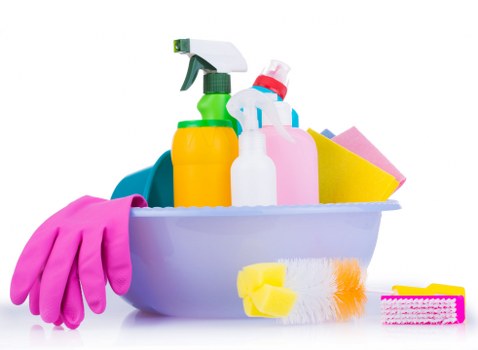
The right tools can make regular cleaning faster, safer, and more effective. Basic cleaning supplies are usually enough for most routines, but choosing quality products and reliable tools helps improve results. A well-stocked cleaning kit can also make it easier to maintain consistency because you do not have to pause and search for items each time you clean.
Helpful tools often include microfiber cloths, a vacuum cleaner, mop, bucket, duster, scrub brush, spray bottles, and protective gloves. Products may include all-purpose cleaner, glass cleaner, disinfectant, bathroom cleaner, and floor-safe solutions. It is important to read labels and choose products that are suitable for the surface being cleaned.
Microfiber cloths are especially useful because they capture dust and debris well. A good vacuum with strong filtration can also improve indoor air quality by reducing fine particles. For households with pets or allergies, these tools can make regular cleaning much more effective.
Smart product usage tips
- Use separate cloths for kitchens and bathrooms
- Do not mix chemicals unless labels specifically allow it
- Test new products on a small hidden area first
- Follow recommended dwell times for disinfectants
- Store supplies in a convenient, organized place
Common Mistakes People Make with Regular Cleaning
Even with good intentions, people sometimes make mistakes that reduce the effectiveness of regular cleaning. One common issue is waiting too long between tasks. When small spills and dust are ignored, they become harder to remove later. Another mistake is using the wrong cleaner on a surface, which can cause streaking, damage, or residue.
Some people also focus only on visible areas and forget hidden or frequently touched spots. Areas behind doors, under furniture, around light switches, and along edges often collect dust and grime quickly. Ignoring those zones can make a space feel less clean overall, even if the most obvious surfaces look fine.
Another problem is inconsistency. A strong routine that is only followed occasionally will not deliver the same results as steady maintenance. Regular cleaning works best when it becomes part of the rhythm of the day or week. That is why realistic scheduling is so important.
How to avoid these mistakes
Keep routines simple, use proper tools, and clean before messes grow. Small, regular actions often make the biggest difference. If time is limited, prioritize high-traffic and high-touch areas first, then move to less critical tasks.
Environmental and Long-Term Benefits of Regular Cleaning
Regular cleaning also has long-term advantages that go beyond appearance and hygiene. Well-maintained spaces often use fewer harsh chemicals over time because dirt does not have the chance to build up into stubborn residue. That can be better for indoor air quality, surface preservation, and overall environmental impact.
Cleaner spaces can also reduce waste. For example, a well-maintained appliance, floor, or fixture may last longer and require fewer repairs or replacements. That means regular cleaning can support sustainability by extending the useful life of items you already own.
In property management and facility care, regular cleaning can protect investments. Floors stay brighter, upholstery stays fresher, and surfaces remain in better condition. Over months and years, this can reduce operational costs and help spaces remain attractive to occupants and visitors alike.
Regular cleaning is not just about today’s appearance. It is about protecting tomorrow’s comfort, safety, and value.
When Professional Help Makes Sense
While many tasks can be managed independently, there are times when professional cleaning support becomes the smarter option. Busy households, commercial properties, rental turnovers, event spaces, and offices may benefit from scheduled help that keeps regular cleaning consistent and thorough.
Professional services can bring specialized tools, trained techniques, and efficient systems that improve results. They may also help with areas that are easy to overlook or too time-consuming to manage alone. For many people, outsourcing some or all routine cleaning makes it easier to stay on top of everything else.
If you are trying to maintain a cleaner environment without adding more stress to your schedule, professional support can be a practical solution. Book your service now if you want dependable help that supports long-term cleanliness and comfort. Contact us today to keep your space looking its best.
Signs you may need extra support
- Cleaning tasks are frequently delayed
- High-traffic areas get dirty too quickly
- You are managing a large or shared space
- Allergies or hygiene concerns are increasing
- You want a cleaner result without sacrificing time
Making Regular Cleaning Part of a Better Routine
The most effective cleaning habits are the ones you can maintain. Instead of aiming for perfection, focus on repeatable actions that fit your schedule and your space. A practical routine helps you stay organized, reduce stress, and maintain a more pleasant environment with less effort over time.
To make regular cleaning easier, keep supplies accessible, set realistic expectations, and involve everyone in the space when possible. In a home, that might mean assigning age-appropriate chores. In a workplace, it may mean encouraging staff to keep shared areas tidy between scheduled cleaning sessions.
By treating regular cleaning as an ongoing investment rather than a one-time task, you create a cleaner, healthier, and more comfortable environment. That consistency pays off every single day.
Simple habits that make a big difference
- Clean small messes immediately
- Put items back after use
- Wipe high-touch surfaces often
- Maintain a weekly cleaning schedule
- Refresh your routine when needs change
In the end, regular cleaning is one of the easiest ways to protect your space, your time, and your peace of mind. Whether you are caring for a home or a business, staying consistent is the key to lasting results. If you are ready to enjoy a cleaner environment with less hassle, take the next step and book your service now.