End of Tenancy Cleaning: A Practical, SEO-Friendly Approach to Getting Your Property Ready
Why End of Tenancy Cleaning Matters

End of tenancy cleaning is one of the most important tasks for tenants, landlords, and letting agents at the close of a rental agreement. Whether you are leaving a flat, a house, or a shared property, the condition of the space can directly affect deposit returns, re-letting speed, and overall satisfaction for everyone involved.
Many renters underestimate how detailed end of tenancy cleaning needs to be. A quick tidy-up is rarely enough. Instead, the property usually needs a deep, systematic clean that addresses hidden dust, grease, limescale, stains, and built-up dirt in areas that are often ignored during weekly cleaning. This is why professional end of tenancy cleaning services are so popular.
For landlords, a clean property creates a strong first impression for new tenants. For tenants, it helps reduce the risk of disputes over the security deposit. And for estate agents, it supports a smoother handover process. In short, end of tenancy cleaning is not just about appearance; it is about protecting money, time, and reputation.
What End of Tenancy Cleaning Usually Includes

A proper end of tenancy cleaning service is far more detailed than everyday housekeeping. It typically includes every room in the property, with special attention given to kitchens, bathrooms, floors, skirting boards, and hard-to-reach surfaces. Many people searching for end of tenancy cleaning want to know exactly what is covered, so clarity is essential.
Although the exact checklist can vary depending on the property and the cleaning provider, the following tasks are commonly included:
- Dusting and wiping all accessible surfaces
- Cleaning inside and outside kitchen cabinets
- Degreasing ovens, hobs, extractors, and splashbacks
- Scrubbing sinks, taps, tiles, and grout
- Removing limescale from bathroom fixtures
- Vacuuming and mopping floors
- Cleaning internal windows, frames, and sills
- Wiping doors, handles, switches, and sockets
- Cleaning wardrobes, drawers, and storage areas
Some properties may also require carpet cleaning, mattress cleaning, or upholstery care. These extras are often recommended when a tenancy has lasted a long time or when the property has pets, smokers, or heavy foot traffic. A tailored end of tenancy cleaning plan can make all the difference.
Why Tenants Should Pay Close Attention to Cleaning Standards

Tenants often focus on packing, removals, and utility changes, but end of tenancy cleaning should be given equal priority. Most tenancy agreements require the property to be returned in a clean and tidy condition, and in many cases, the standard expected is higher than what people assume.
Deposit deductions are one of the biggest concerns at the end of a tenancy. If the property is left with grease on appliances, soap scum in bathrooms, or stains on carpets, the landlord or letting agent may arrange professional cleaning and deduct the cost from the deposit. That is why many tenants choose a specialist end of tenancy cleaning service rather than risking a DIY result.
Planning early is the best strategy. Before moving day, tenants should review their inventory report, check the condition of each room, and compare it with the original check-in notes. This helps identify areas that need extra attention and reduces surprises during the final inspection. A well-executed end of tenancy cleaning routine can significantly improve the chances of a full deposit return.
Landlord Expectations and Property Presentation
How Cleanliness Impacts Re-Letting
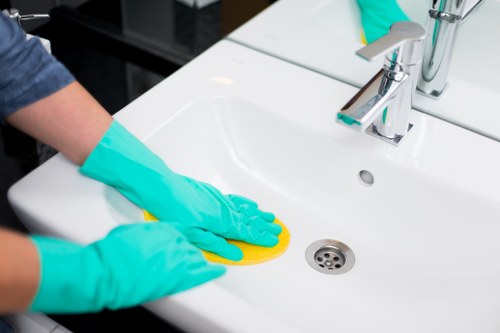
For landlords, end of tenancy cleaning is an investment in the property’s next chapter. A spotless home is easier to market, photograph, and rent out quickly. Prospective tenants are more likely to trust a landlord who maintains high standards, and a fresh, clean property often commands stronger interest.
Landlords also benefit from reduced maintenance issues. During a detailed end of tenancy cleaning, minor problems such as mould growth, blocked vents, or stubborn grease can become visible. Addressing these issues early can prevent future complaints and larger repair costs. In this sense, end of tenancy cleaning supports both presentation and property care.
Professional cleaners frequently work alongside inventory clerks and letting agents to ensure the property meets the expected standard. If the rental unit is furnished, extra attention is often given to sofas, dining tables, mattresses, curtains, and upholstery. A thorough cleaning process helps the property feel move-in ready for the next occupier.
Common Areas That Need Special Attention
Some areas consistently create problems during end-of-tenancy inspections:
- Kitchen appliances such as ovens, fridges, and microwaves
- Bathrooms with limescale, mildew, and water stains
- Carpets with dust, pet hair, or spill marks
- Windows with fingerprints, dust, and smudges
- Skirting boards and corners where dirt collects
These details matter because property inspections often look beyond the obvious. A successful end of tenancy cleaning job ensures no neglected spot becomes a reason for concern.
DIY Cleaning or Professional Service?

One of the most common questions is whether to handle end of tenancy cleaning yourself or hire professionals. The answer depends on time, budget, cleaning experience, and the condition of the property. Both options can work, but they produce different results.
A DIY approach may be suitable if the property is small, well-maintained, and the tenant has enough time to clean thoroughly. However, DIY cleaning often falls short in areas that require specialist equipment or strong products. Oven grease, carpet stains, and bathroom limescale can be difficult to remove without the right tools.
Professional end of tenancy cleaning services are designed to handle these challenges efficiently. Cleaners usually bring industrial-grade products, steam cleaners, extension tools, and detailed checklists. This can save time and reduce stress, especially when moving schedules are tight. For many households, the convenience alone makes professional cleaning worth considering.
Benefits of Hiring Professionals
- Improved chances of meeting inspection standards
- Time saved during an already busy move
- Access to specialist equipment and products
- Better results on stubborn dirt and stains
- More confidence when handing back the keys
If you want a result that is efficient and reliable, end of tenancy cleaning performed by experts is often the smarter choice. Book your service now if you prefer a hassle-free handover.
The Rooms That Matter Most in End of Tenancy Cleaning
Kitchen Cleaning
The kitchen is often the most demanding room in end of tenancy cleaning. It is a high-use area where grease, food particles, stains, and odours build up quickly. Ovens, hobs, extractor fans, fridge shelves, cupboards, and worktops all need careful attention.
Kitchen cleaning should include the inside of drawers and cabinets, the removal of crumbs, the wiping of appliances, and the sanitising of preparation surfaces. Even small details such as cleaning around handles and taps can improve the final result. A kitchen that looks and smells fresh can transform the overall impression of the property.
Bathroom Cleaning
Bathrooms need more than a quick wipe-down. End of tenancy cleaning in bathrooms should remove soap residue, water marks, limescale, mildew, and grime from toilets, sinks, showers, and baths. Mirrors, tiles, extractor fans, and fittings also require attention.
Because moisture creates persistent problems, bathrooms can look tired very quickly if they are not deeply cleaned. Using the right products and techniques helps restore shine and hygiene. A bright bathroom is one of the strongest signs of a properly completed end of tenancy cleaning job.
Bedrooms and Living Areas
Bedrooms and lounges may seem easier to clean, but they still require a detailed approach. Dusting skirting boards, wiping shelves, cleaning wardrobes, and vacuuming carpets are all essential. If furniture remains in place, the cleaning should also extend behind and underneath it.
Living areas often collect dust in corners, along window tracks, and on light fittings. These spaces contribute heavily to the property’s overall impression, so a structured end of tenancy cleaning process should never overlook them.
How to Prepare for End of Tenancy Cleaning
Practical Steps Before the Cleaning Begins
Preparation is key to getting the best results from end of tenancy cleaning. Before the cleaners arrive—or before starting a DIY clean—tenants should remove personal belongings, empty cupboards, dispose of rubbish, and defrost the freezer if needed. The more accessible the property is, the better the final outcome.
It is also helpful to separate any items that require special handling. Fragile objects, electronics, or valuables should be packed safely in advance. If you have a pet, ensure the area is clear of pet bedding, toys, and food containers. This allows the cleaning process to move smoothly and avoids unnecessary interruptions.
Another important step is to check the tenancy agreement for any specific cleaning clauses. Some contracts mention carpet cleaning, professional oven cleaning, or stain removal requirements. Reviewing these details early means your end of tenancy cleaning plan can be aligned with the property’s expectations.
Useful Preparation Checklist
- Remove all personal possessions
- Disconnect and empty appliances
- Defrost the freezer in advance
- Take out all rubbish and recycling
- Report major repairs separately
- Keep cleaning products or access instructions ready
What Makes a Good End of Tenancy Cleaning Checklist
Detail, Consistency, and Accountability
A strong end of tenancy cleaning checklist ensures no area is missed. It also creates accountability, especially when several people are involved. Whether cleaning is handled by tenants, landlords, or professionals, a checklist helps maintain consistency from room to room.
Effective checklists usually follow a top-to-bottom method. This means starting with higher surfaces such as shelves, lights, and cupboards before moving to lower areas like floors and carpets. Doing so prevents dust and debris from falling onto already cleaned surfaces. It is a simple but effective method that improves the final result.
Documentation also matters. Taking before-and-after photos can be useful when handing back a rental property. These images provide evidence that a thorough end of tenancy cleaning has been completed and can support discussions about the condition of the property.
Checklist Example
- Ceiling corners and light fixtures
- Walls, doors, and switches
- Windows, frames, and sills
- Kitchen cupboards, ovens, and sinks
- Bathroom fittings and tiles
- Floors, carpets, and under-furniture spaces
Saving Time Without Reducing Standards
Many people assume that end of tenancy cleaning has to take several exhausting days, but with the right approach, the process can be more efficient. Time-saving does not mean cutting corners. It means using smart planning, suitable products, and a clear sequence of tasks.
Start with the hardest jobs first, such as the oven or bathroom limescale. Once these are handled, the rest of the cleaning often feels easier. Working room by room can also reduce confusion and help you track progress. If you are hiring professionals, make sure the property is accessible and clutter-free so they can work without delays.
For tenants with limited time, combining targeted DIY cleaning with professional support can be a practical solution. For example, you might clean the surfaces and storage areas yourself while leaving carpets or ovens to specialists. This hybrid approach can be an effective way to manage end of tenancy cleaning without sacrificing quality.
How End of Tenancy Cleaning Supports a Smooth Move
Reducing Stress on Moving Day
Moving is one of life’s most stressful events, and end of tenancy cleaning can either add to that stress or help reduce it. When the cleaning is organised properly, it becomes one less thing to worry about. You can focus more on transport, unpacking, and settling into your new place.
A clean handover also improves communication with landlords and agents. Instead of handling disputes about dust or stains, both sides can concentrate on completing the move efficiently. That makes end of tenancy cleaning an important part of the overall transition process.
In many cases, a spotless property can even speed up administrative tasks such as final inspections, deposit processing, and inventory sign-off. This is especially beneficial when moving deadlines are tight and everyone wants closure quickly.
Best Practices for a Better Result
- Schedule cleaning after most items are removed
- Leave enough time for drying and ventilation
- Use suitable products for each surface
- Check high-traffic areas twice
- Review the property against the original inventory
Choosing the Right End of Tenancy Cleaning Service
If you decide to hire help, choosing the right end of tenancy cleaning provider is crucial. Look for a service that offers transparent cleaning checklists, flexible appointment slots, and attention to detail. You want a team that understands rental standards and can deliver consistent results.
It is also wise to ask whether the service includes specialist tasks such as oven cleaning, carpet treatment, or bathroom descaling. Some companies bundle these features into standard packages, while others charge extra. Understanding the scope of the service avoids confusion later and ensures your end of tenancy cleaning needs are fully covered.
Reputation matters too. A company that uses professional-grade tools and clear cleaning methods is more likely to meet landlord expectations. Whether you manage a single apartment or an entire family home, the right team can make a noticeable difference to the final presentation.
Final Thoughts on End of Tenancy Cleaning
End of tenancy cleaning is more than a routine chore; it is a critical part of ending one chapter and starting the next. It protects deposits, improves property presentation, and supports a smooth transition for tenants, landlords, and agents alike. When done well, it removes uncertainty from the moving process and sets the stage for a positive handover.
Whether you choose to clean the property yourself or hire professionals, the key is to approach the task carefully and systematically. Focus on detail, use the right products, and pay special attention to the areas most likely to be inspected. A well-planned end of tenancy cleaning process can save time, reduce stress, and improve outcomes for everyone involved.
If you are preparing to move, now is the perfect time to act. Contact us today or book your service now to ensure your property is cleaned to a high standard and ready for its next occupant.