Oven Cleaning in the Home: A Practical, SEO-Friendly Approach to a Fresher Kitchen
When people think about a cleaner kitchen, they often focus on countertops, sinks, and floors. Yet one of the most overlooked areas is the appliance that does some of the hardest work every day: the oven. Oven cleaning in the home is not just about appearance; it is about hygiene, performance, safety, and even the flavor of the meals you cook. A dirty oven can build up grease, burnt-on residue, food splatter, and smoke-causing debris that affects the entire kitchen environment.
If you have noticed lingering odors, uneven heating, dark smoke, or stubborn stains on your oven door, it may be time to prioritize oven cleaning. Many homeowners delay the task because it seems time-consuming or messy, but regular maintenance makes the job much easier. With the right approach, oven cleaning in the kitchen can be manageable, effective, and far less stressful than waiting until the appliance is heavily soiled.
In this article, we will explore why oven cleaning matters, what methods work best, how to maintain a spotless interior, and when professional oven cleaning services may be the smartest choice. Whether you are dealing with a gas oven, electric oven, or built-in appliance, the right strategy can save time and improve results.
Why Oven Cleaning Matters More Than Most People Realize

Oven cleaning is often treated as a low-priority chore, but the condition of your oven can influence cooking quality, kitchen hygiene, and appliance longevity. Grease and food residue left inside the oven can smoke when heated, creating unpleasant smells and sometimes affecting the taste of roasted vegetables, baked goods, and meats. Over time, this residue can become baked-on grime that is much harder to remove.
A clean oven also supports better heat distribution. When racks, trays, and the oven cavity are coated in carbonized buildup, the appliance may not perform as efficiently. That can lead to inconsistent cooking, longer bake times, and unnecessary energy use. In other words, regular oven cleaning is not only about aesthetics; it can also contribute to better results in the kitchen.
There is also a safety aspect to consider. Excess grease, crumbs, and spills may increase the chance of smoke or flare-ups, especially in ovens that are used frequently. For households that cook often, scheduling routine oven cleaning in the kitchen can reduce these risks and keep the appliance in a more reliable condition.
Common Signs Your Oven Needs Attention
Many people wait until the oven looks extremely dirty before cleaning it, but several warning signs suggest it should be cleaned sooner. The sooner you act, the easier the work usually is. Knowing what to look for can help you stay ahead of heavy buildup.
- Visible grease or burnt food on the oven floor, walls, or door
- Smoke during preheating or cooking, especially after spills
- Unpleasant odors that linger even after cooking is finished
- Brown or black staining on the glass door
- Uneven cooking results or food taking longer than usual
- Sticky residue on racks or removable parts
If you notice one or more of these signs, oven cleaning should move higher on your household maintenance list. Small amounts of residue are much easier to remove than months of baked-on grime. It is also worth checking the oven after spills from roasts, pies, casseroles, and sugary sauces, since these tend to harden quickly and become more stubborn over time.
Different Types of Oven Cleaning Methods
There is no single method that suits every appliance or every level of buildup. The best oven cleaning method depends on the condition of the oven, the materials involved, and how much time you want to spend. Some homeowners prefer natural cleaning solutions, while others rely on stronger commercial products for heavy grime.
1. Manual cleaning with household ingredients
This is one of the most popular approaches for routine maintenance. A paste made from baking soda and water can help loosen debris on the oven walls and floor. After allowing it to sit, the paste can be wiped away with a damp cloth. Vinegar may also be used to help lift residue and reduce lingering odors.
2. Commercial oven cleaners
These products are designed to break down grease and burnt-on food more aggressively. They can be effective for deep cleaning, but they must be used carefully, following the manufacturer’s instructions. Good ventilation is important, and protective gloves are recommended. For very dirty ovens, a commercial product may save substantial scrubbing time.
3. Self-cleaning oven function
Some ovens include a self-cleaning cycle that uses high heat to burn off debris. While convenient, this method is not suitable for all households and may produce smoke or a strong odor. It is important to understand your oven model before using this feature. Even then, a self-cleaning cycle may still require some manual wiping afterward.
4. Professional oven cleaning
For heavily soiled appliances or time-pressed households, professional oven cleaning can be the most practical solution. Trained technicians use specialized tools and cleaning agents to remove stubborn buildup efficiently. This is especially helpful when the oven has not been cleaned in a long time or when delicate parts require careful handling.
Step-by-Step Approach to Safe Oven Cleaning
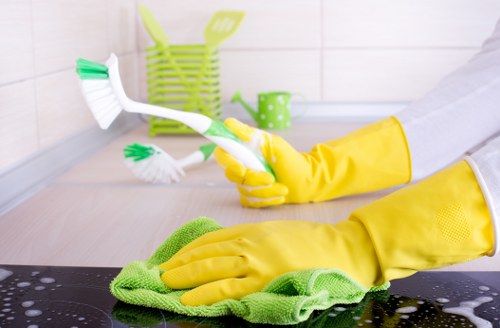
A structured cleaning process can make oven cleaning more efficient and less overwhelming. If you are tackling the job yourself, preparation is key. Make sure the oven is completely cool before you begin, and remove any loose items, trays, or racks where possible. Good lighting will also help you see grease and food residue more clearly.
Preparation checklist
- Turn the oven off and allow it to cool fully
- Remove racks, trays, thermometer probes, and loose accessories
- Lay towels or newspaper nearby to catch drips
- Open a window or switch on ventilation
- Wear gloves if using stronger cleaning solutions
Cleaning the interior
Start by removing loose crumbs with a soft brush or vacuum attachment designed for small debris. Next, apply your chosen cleaner to the oven walls, floor, and door glass. Avoid spraying or applying cleaner onto heating elements, fans, or electrical components unless the product instructions specifically allow it. Let the solution sit long enough to break down grime before wiping it away.
For stubborn spots, use a non-abrasive pad or plastic scraper to lift residue gently. Repeated light passes usually work better than aggressive scrubbing, which may scratch surfaces. After the grime has loosened, wipe everything with a clean damp cloth to remove cleaner residue. A final dry cloth helps restore shine.
Cleaning racks separately
Oven racks often need a different approach because they collect baked-on grease from all sides. Soaking them in warm, soapy water can help soften grime. For tougher buildup, sprinkle baking soda onto the wet surface or use a dedicated degreasing product. Rinse thoroughly and dry before returning them to the oven.
How Often Should You Clean Your Oven?
The right oven cleaning schedule depends on how often you cook and the type of meals you prepare. A household that uses the oven several times a week will usually need more frequent maintenance than one that only bakes occasionally. However, waiting too long can allow buildup to become hard and time-consuming to remove.
As a general rule, oven cleaning in the home should be done lightly after spills and more thoroughly every few months. If you frequently roast meats, bake casseroles, or use sugary marinades and sauces, your oven may require more regular attention. Kitchens with active family cooking, entertaining, or holiday use may also need deeper cleaning on a tighter schedule.
Here is a simple way to think about frequency:
- After every spill: wipe up drips once the oven has cooled
- Every few weeks: remove crumbs and check for buildup
- Every 2 to 3 months: perform a more thorough oven cleaning
- As needed: arrange professional oven cleaning for severe grime
Staying consistent makes the work easier. A little maintenance now can prevent a much larger cleaning job later.
Natural Oven Cleaning Solutions for Everyday Use
Many homeowners prefer natural cleaning methods because they are simple, affordable, and widely available. Baking soda oven cleaning remains one of the most popular techniques. Baking soda is mildly abrasive and helps loosen grime without being too harsh on oven surfaces. When mixed with water into a spreadable paste, it can cling to dirty areas long enough to soften residue.
Vinegar is another useful ingredient in household cleaning. While it is not a heavy-duty degreaser by itself, it can help neutralize odors and remove leftover baking soda paste. Some people also use lemon juice for a fresh scent and mild cleaning effect. These natural options can be especially useful for routine oven cleaning and light maintenance.
It is important to remember that natural does not always mean instant. Heavy buildup may still require patience and repeated applications. For that reason, many homeowners combine natural solutions with regular wiping and occasional deeper treatment. This balanced approach can keep the oven in good condition without relying on harsh products too often.
Benefits of natural cleaning methods
- Usually affordable and easy to access
- Less harsh smell than some chemical cleaners
- Useful for routine maintenance
- Can be safer for households that prefer gentler products
When Professional Oven Cleaning Makes Sense
There are times when DIY methods are enough, and there are times when professional oven cleaning is the better option. If the oven has heavy carbon buildup, years of grease accumulation, or parts that are difficult to reach, a trained cleaner may produce better results in less time. This can be especially true for older appliances or ovens with complex designs.
Professional oven cleaning can also be useful for busy households. Many people want a spotless appliance but do not have the time, energy, or equipment to do the job thoroughly. Hiring a specialist can reduce stress and help ensure that the oven is cleaned more deeply than a quick wipe-down would allow. In some cases, it may also help extend appliance life by keeping important components in better condition.
Another advantage is precision. Professionals often know how to work around fan covers, seals, trays, and difficult corners without causing unnecessary wear. If you are considering this option, think about the value of time, convenience, and the condition of your appliance. For many families, professional oven cleaning is a worthwhile investment.
Oven Cleaning Tips to Keep the Appliance Looking Better for Longer
Keeping an oven clean is much easier when you build a few simple habits into your routine. Small actions can reduce buildup and make future cleanings less demanding. The key is consistency rather than perfection. You do not need to deep clean constantly; you simply need to stay ahead of the mess.
- Wipe spills quickly once the oven is completely cool
- Use oven-safe trays or liners where appropriate and allowed by the manufacturer
- Check food during cooking to prevent overflow
- Cover dishes with lids or foil when suitable to reduce splatter
- Remove crumbs regularly before they burn onto the floor
- Clean the oven door glass often to avoid stubborn staining
These habits may seem minor, but they make a major difference over time. A well-maintained oven is easier to use, less likely to smell, and more pleasant to cook with. In addition, reducing residue can help your kitchen stay fresher overall.
Safety Considerations During Oven Cleaning
Safety should always come first during oven cleaning. Heat, chemicals, and fragile parts can create problems if the process is rushed. Before applying any product, read the label and follow all directions carefully. Good airflow is important, particularly when using stronger degreasers or when the self-clean cycle produces smoke.
Never mix cleaning chemicals unless the manufacturer specifically says it is safe. Avoid using abrasive metal tools that may scratch the surface or damage the finish. If your oven has a delicate coating, follow the appliance manual to avoid voiding warranties or causing unnecessary wear. Safety also means patience: letting cleaners sit for the recommended time often improves results and reduces scrubbing.
Important note: if you smell gas, notice electrical issues, or see signs of mechanical damage, stop the cleaning process and address the appliance issue first. Oven cleaning in the home should improve function, not risk damage. When in doubt, professional servicing may be the better path.
Best practices for safer cleaning
- Use gloves if handling chemical cleaners
- Keep children and pets away from the area
- Ventilate the kitchen well
- Use non-abrasive cloths and sponges
- Let the oven cool fully before starting
Why Oven Cleaning Supports Better Cooking Results
A clean oven does more than look good; it can also help produce better meals. When grease and residue are removed, the appliance can heat more evenly, and food is less likely to absorb burnt odors. Cakes may rise more evenly, roasted foods may taste cleaner, and baked dishes may finish with less smoke and discoloration.
Home cooks often notice that a well-maintained oven feels easier to work with overall. Temperatures are more predictable, the oven door is clearer to inspect, and the kitchen environment stays more comfortable during cooking. For anyone who enjoys baking or roasting regularly, oven cleaning is part of good kitchen care rather than an optional extra.
If your goal is a smoother, more enjoyable cooking routine, start by giving the oven the attention it deserves. A tidy appliance can support better habits in the rest of the kitchen as well.
Final Thoughts on Oven Cleaning in the Home
Oven cleaning in the home is one of those tasks that pays off in several ways. It improves hygiene, supports appliance efficiency, reduces odors, and helps your meals taste better. While it may not be the most exciting household chore, it is one of the most worthwhile. Whether you prefer natural methods, commercial products, or professional help, consistency is what keeps the job manageable.
For light maintenance, regular wiping and baking soda-based cleaning can be enough. For heavier buildup, a stronger product or specialist service may be the smarter choice. The main thing is not to let grime build up until the job becomes overwhelming. By acting early and staying consistent, you can keep your oven in far better condition throughout the year.
Ready to enjoy a cleaner, fresher kitchen? Book your service now or contact us today to take the next step toward easier cooking and a better-looking appliance.