Communal Area Cleaning: Creating Safer, Cleaner, and More Welcoming Shared Spaces
Communal area cleaning plays a vital role in keeping shared environments healthy, attractive, and comfortable for everyone who uses them. Whether the setting is a residential building, apartment block, office complex, student accommodation, or mixed-use property, communal area cleaning helps maintain hygiene standards, protect surfaces, reduce clutter, and create a better first impression for residents, visitors, and staff alike. When communal spaces are cleaned properly and consistently, the entire property benefits from improved safety, stronger visual appeal, and fewer long-term maintenance issues.
In busy shared settings, communal area cleaning is about much more than simple tidiness. These areas often include hallways, stairwells, lifts, lobbies, reception areas, shared kitchens, laundry rooms, entryways, and bin stores. Because so many people pass through them every day, they quickly collect dust, marks, fingerprints, spills, germs, and debris. A structured cleaning routine is essential to keep these spaces presentable and hygienic. For property managers, landlords, and facilities teams, investing in professional communal area cleaning can also help reduce complaints, improve resident satisfaction, and protect the value of the building.
For anyone responsible for a shared property, understanding the benefits, tasks, and standards involved in communal area cleaning can make a noticeable difference. It is not just about appearance; it is also about safety, health, and long-term property care. In the sections below, you will find a detailed breakdown of what communal area cleaning includes, why it matters, and how to approach it effectively.
What Is Communal Area Cleaning?
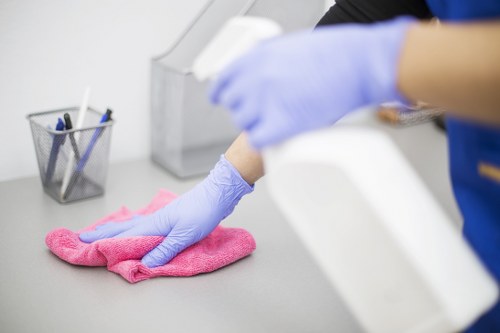
Communal area cleaning refers to the routine cleaning and maintenance of shared spaces used by multiple people. These areas can be found in residential buildings, commercial premises, educational facilities, and public-access properties. The main goal is to keep these shared environments clean, safe, and pleasant for everyone who uses them. Unlike private cleaning, communal area cleaning must account for heavy foot traffic, varied user behavior, and the need to maintain consistent standards across all shared zones.
In practical terms, communal area cleaning includes sweeping, vacuuming, mopping, dusting, sanitising touchpoints, emptying waste bins, and addressing visible marks or spills. Depending on the property, it may also involve window cleaning, lift cleaning, deep cleaning of entrances, and periodic disinfection of high-contact surfaces. This type of cleaning must be repeated frequently because communal spaces tend to accumulate dirt and bacteria quickly.
Many property owners now view communal area cleaning as a core part of building management. It supports compliance with health and safety expectations, improves resident comfort, and helps ensure that shared environments remain functional and welcoming. A clean communal space can also reduce wear and tear, which is especially important in high-traffic buildings.
Why Communal Area Cleaning Matters

There are several reasons why communal area cleaning should never be treated as an afterthought. First and foremost, it supports hygiene. Shared spaces are touched by many people throughout the day, which increases the chance of germs spreading. Regular cleaning helps remove dirt, dust, and contaminants before they build up and affect health.
Second, communal area cleaning improves safety. Stairwells, corridors, and entrances can become slippery, cluttered, or difficult to navigate when they are not maintained properly. Spills, debris, and poor visibility can contribute to accidents. A well-managed cleaning routine reduces these risks and makes shared areas safer for residents, employees, and visitors.
Third, clean communal areas create a stronger impression. The condition of shared spaces often shapes how people perceive the entire property. A spotless lobby, fresh-smelling corridor, or well-maintained stairwell suggests professionalism, care, and attention to detail. For landlords and managers, that impression can influence occupancy, tenant retention, and overall satisfaction.
Key Benefits at a Glance
- Improved hygiene and reduced germ spread
- Better safety in high-traffic shared areas
- Enhanced property appearance and first impressions
- Longer lifespan for flooring, fixtures, and surfaces
- Higher resident and tenant satisfaction
Common Areas That Need Regular Cleaning

Every shared property is different, but most communal area cleaning programmes focus on a similar group of spaces. These are the zones that see the most use and usually require the most attention. Because they are often exposed to weather, foot traffic, and repeated contact, they can quickly look tired if they are not maintained on a consistent schedule.
Typical communal areas include entrance halls, reception spaces, corridors, staircases, lifts, landings, shared kitchens, laundry rooms, bin areas, and outdoor walkways. In apartment blocks, communal area cleaning may also cover handrails, postbox areas, glass doors, skirting boards, and frequently touched switches or buttons. In office settings, cleaning may extend to shared meeting rooms, break areas, and toilet facilities linked to common zones.
The exact cleaning checklist should reflect the layout and usage of the building. A good communal area cleaning plan is tailored, not generic. High-traffic spaces may need daily attention, while less-used areas may only need weekly service. The key is to match the cleaning frequency to the actual demands of the building.
Examples of High-Touch Surfaces
- Door handles and push plates
- Lift buttons and control panels
- Handrails and bannisters
- Light switches
- Mailboxes and intercom systems
- Shared table surfaces and benches
What a Professional Communal Area Cleaning Service Includes
A professional communal area cleaning service usually follows a detailed cleaning plan designed to cover all shared areas efficiently. This often begins with dust removal and dry cleaning tasks, followed by vacuuming, mopping, sanitising, and wiping down touchpoints. Cleaners may also remove litter, polish glass surfaces, and tidy entrances so the property always looks presentable.
Because communal spaces are used constantly, professional cleaners often work around occupancy patterns to avoid disruption. They may clean early in the morning, later in the evening, or during low-traffic periods. This helps ensure that communal area cleaning is carried out thoroughly without inconveniencing residents, employees, or visitors.
Some providers also include deeper maintenance tasks such as carpet care, spot treatment for stains, machine scrubbing for floors, and seasonal deep cleans. These services help protect the building from long-term damage. Over time, dirt that is not removed properly can become embedded in flooring or surfaces, making them harder to restore later.
Typical Tasks in a Cleaning Schedule
- Sweeping and vacuuming floors
- Mopping hard floors with suitable products
- Dusting ledges, skirting boards, and fittings
- Wiping and disinfecting high-touch points
- Cleaning mirrors, glass, and entrance doors
- Emptying waste bins and replacing liners
- Removing cobwebs and visible debris
Why Consistency Matters
Consistency is one of the most important parts of communal area cleaning. If a building only receives occasional attention, dirt quickly becomes noticeable and the space can start to feel neglected. A regular schedule keeps standards high and prevents problems from building up.
Health, Hygiene, and Safety in Shared Spaces
Health and hygiene are closely linked to communal area cleaning. Shared properties can be hotspots for bacteria, dust, allergens, and other contaminants. Regular cleaning helps reduce the spread of illness, improves indoor air quality, and makes communal spaces more comfortable for everyone. This is especially important in buildings with children, older adults, or people with respiratory sensitivities.
Safety is another major concern. Spills on tiled floors, debris on stairs, and blocked walkways can all create hazards. Communal area cleaning helps eliminate these risks before accidents happen. In properties where emergency exits, staircases, and corridors must remain clear, regular cleaning is essential for safe access and evacuation.
Professional cleaning teams also use appropriate materials and methods for different surfaces. For example, delicate flooring may need neutral solutions, while high-touch areas may need products suitable for sanitising. Using the wrong cleaner can cause damage or leave surfaces unsafe. That is why knowledgeable cleaners are valuable in shared environments.
Health and Safety Priorities
- Preventing slips, trips, and falls
- Reducing dust and allergen accumulation
- Maintaining clear access routes
- Supporting sanitisation of touchpoints
- Using safe, suitable cleaning products
Choosing the Right Communal Area Cleaning Frequency
The ideal frequency for communal area cleaning depends on the size of the property, the number of users, and the level of foot traffic. A large apartment complex with dozens of residents may need daily cleaning, while a smaller building might be fine with a few scheduled visits per week. The goal is to keep the space consistently tidy without wasting resources.
Seasonal changes can also influence cleaning requirements. Wet weather often brings in more mud, leaves, and debris, particularly around entrances and corridors. During colder months, shared spaces may need extra attention due to salt, moisture, and increased indoor traffic. In warmer weather, dust and odour control may become more important. A flexible schedule allows communal area cleaning to adapt to these changing conditions.
When deciding on frequency, it helps to assess the building in terms of usage and risk. High-contact environments need more frequent cleaning because germs and dirt spread faster. Less-used spaces may still require attention, but on a lighter schedule. A balanced plan ensures the property stays clean without becoming over-serviced.
Factors That Affect Cleaning Frequency
- Number of residents, workers, or visitors
- Type of building and shared facilities
- Weather exposure and seasonal dirt levels
- Presence of children, pets, or vulnerable users
- Traffic patterns during the day
Best Practices for Effective Communal Area Cleaning
Successful communal area cleaning relies on more than just effort; it requires planning, consistency, and attention to detail. One of the best practices is to create a clearly defined cleaning checklist for each shared area. This helps ensure that no important tasks are missed and that standards remain the same from one visit to the next.
Another best practice is to use the right tools for the job. Microfibre cloths, quality vacuum cleaners, mops suited to floor type, and effective but safe cleaning products can all improve results. Different surfaces require different care, so the cleaning method should always match the material. Using the wrong equipment can leave streaks, damage finishes, or reduce the effectiveness of the service.
Communication is also important. If communal area cleaning is taking place in a busy property, residents or staff may need to know when cleaning will happen and which areas may be temporarily unavailable. Good communication reduces disruption and helps everyone cooperate with the cleaning process. Clear signage can also be useful during floor drying or deep cleaning.
Practical Tips for Better Results
- Use a written cleaning schedule
- Prioritise high-touch and high-traffic zones
- Inspect areas after cleaning for missed spots
- Report maintenance issues such as leaks or broken fittings
- Refresh entrance areas more frequently in poor weather
How Communal Area Cleaning Supports Property Value
Regular communal area cleaning can help protect the value of a property over time. Dirty, neglected shared spaces often make a building seem older, less cared for, and less desirable. On the other hand, clean and well-maintained communal areas create a positive impression that can influence how people view the whole property.
This matters for both landlords and property managers. In residential buildings, a clean environment can improve tenant retention and reduce complaints. In commercial premises, it can support productivity and professionalism. In either case, communal area cleaning helps preserve surfaces, flooring, and fixtures, lowering the likelihood of expensive repairs or replacements later.
It is also worth noting that first impressions are powerful. Visitors often judge a building before they see private spaces. If the lobby, corridors, and stairwells are spotless, the entire property appears more organised and carefully managed. That perception can be valuable in competitive rental or commercial markets.
Long-Term Value Benefits
- Reduced deterioration of shared surfaces
- Lower likelihood of repair costs
- Stronger market appeal
- Better resident and tenant retention
- More professional overall presentation
Communal Area Cleaning for Different Property Types
Although the principles are similar, communal area cleaning can look quite different depending on the property type. Residential blocks typically focus on stairwells, entrance halls, lifts, and corridors. The priority is keeping shared living spaces pleasant, hygienic, and safe for daily use.
In office buildings, communal area cleaning often includes reception zones, lift lobbies, shared kitchens, and washrooms. Here, presentation and hygiene are equally important because staff, clients, and guests all use the area. A clean work environment can improve morale and support a more professional atmosphere.
For student accommodation, communal area cleaning may need to be especially robust due to the number of users and the pace of activity. Shared kitchens, bathrooms, and circulation areas often require frequent service. In healthcare-adjacent or public-facing properties, standards may be even stricter, with greater emphasis on disinfection and safe waste management.
Property-Specific Priorities
- Residential: comfort, cleanliness, and resident satisfaction
- Commercial: professionalism and hygiene
- Student housing: frequent cleaning and odour control
- Mixed-use buildings: flexible schedules and tailored service
Signs Your Communal Areas Need More Attention
Sometimes the need for better communal area cleaning becomes obvious. You may notice dust gathering along skirting boards, fingerprints on glass, unpleasant odours, litter near entrances, or marks on walls and floors. If residents or staff begin complaining, that is often a clear sign the current schedule is not enough.
Other warning signs include slippery floors, overflowing bins, cobwebs in corners, dirty lift interiors, and stained carpets. Even minor issues can quickly affect how the building feels. When left unresolved, they can lead to more serious cleanliness problems and higher maintenance costs.
If the same areas are repeatedly getting dirty soon after cleaning, it may be time to reassess the frequency, equipment, or cleaning methods being used. Sometimes the issue is not the effort itself but the absence of a tailored plan. A smarter approach to communal area cleaning can restore standards quickly and sustainably.
Warning Signs to Watch For
- Persistent odours
- Visible dust and debris
- Streaky glass and dirty doors
- Sticky floors or damp patches
- Frequent complaints from occupants
Why Professional Support Makes a Difference
While some light upkeep may be handled in-house, professional support can significantly improve the quality and reliability of communal area cleaning. Experienced cleaners understand how to work efficiently across different surfaces, apply the right products, and maintain a high standard over time. They also bring consistency, which is essential in shared environments.
Professional communal area cleaning teams are often trained to spot early signs of wear, damage, or maintenance issues. That means problems such as leaks, broken lights, or damaged flooring can be flagged before they become more serious. This added level of observation makes the cleaning service even more valuable.
For property owners and managers who want to maintain a polished image while reducing administrative pressure, outsourced cleaning is often the most practical option. It allows the property to remain in good condition without requiring internal staff to manage every detail. If your building needs reliable results, book your service now and keep your shared spaces looking their best.
What to Look for in a Cleaning Partner
- Experience with communal area cleaning
- Flexible scheduling options
- Attention to detail
- Knowledge of safe cleaning products
- Reliable communication and reporting
Building a Better Cleaning Culture
Communal area cleaning works best when everyone plays a part in keeping shared spaces tidy. While professional cleaners handle the core maintenance, residents, staff, and visitors can also help by disposing of waste correctly, reporting spills quickly, and respecting shared facilities. When people understand the importance of communal cleanliness, the entire environment improves.
Property managers can support this by setting clear expectations and making cleaning schedules visible. Small reminders about keeping walkways clear, not leaving rubbish in corridors, and respecting shared areas can make a surprisingly large difference. Clean communal spaces are easier to maintain when the culture around them values order and responsibility.
Ultimately, communal area cleaning is an investment in the quality of daily life. Clean shared areas feel safer, more welcoming, and more professional. They support better health, reduce maintenance issues, and improve the overall experience of everyone who uses the building. If you want a property that looks cared for and functions well, now is the time to take communal cleaning seriously. Contact us today to arrange a service that suits your building’s needs.
Final Thoughts on Communal Area Cleaning
Communal area cleaning is an essential part of managing any shared property. It protects hygiene, supports safety, preserves value, and helps create a positive environment for residents, workers, and visitors. From entryways and corridors to lifts and staircases, every shared space benefits from regular, thoughtful maintenance.
With the right cleaning plan, a building can remain fresh, organised, and inviting throughout the year. Whether you need daily attention or a tailored schedule for a smaller property, the key is consistency and quality. In busy shared environments, even small improvements can make a major difference. Prioritise your communal area cleaning plan now, and keep your property looking professional every day.